
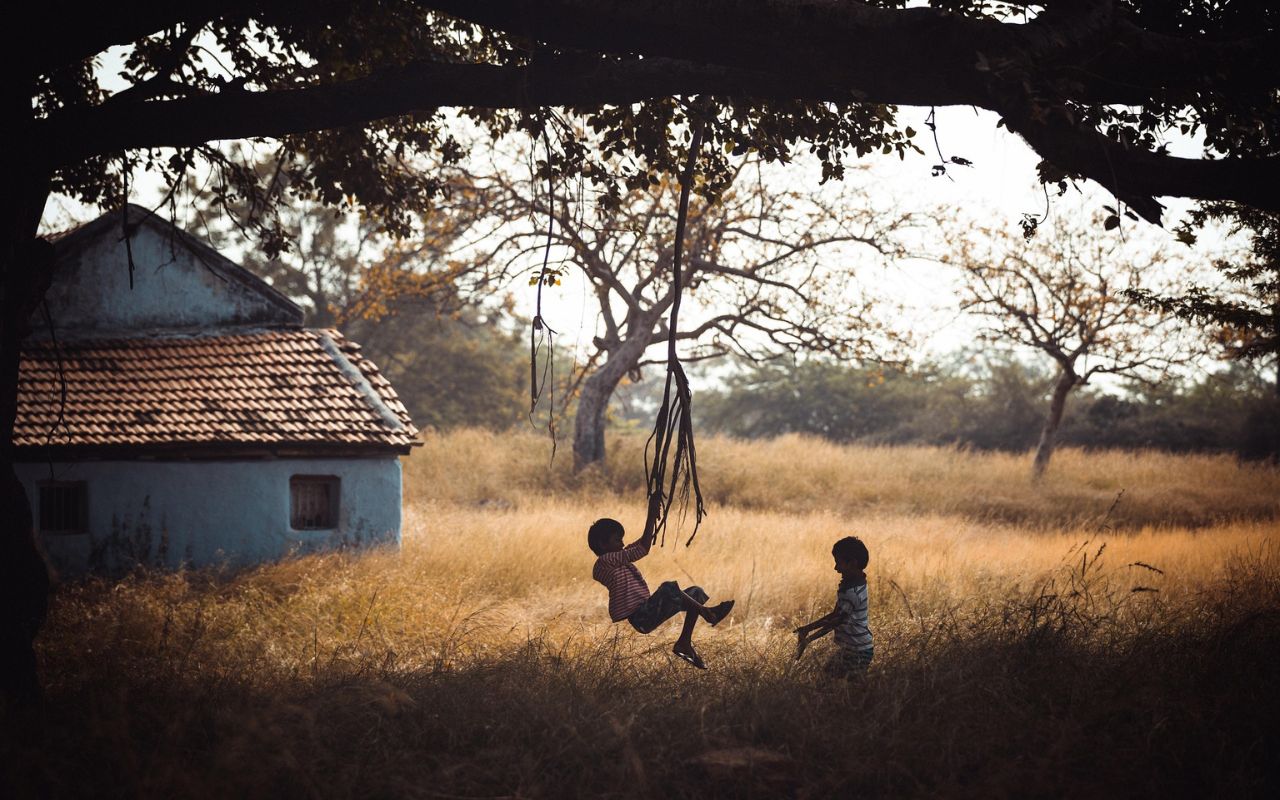
As children, no one had to teach us how to move. We ran, climbed, balanced, and explored simply because the world was there to be met. It was untamed, unplanned, and deeply physical. Yet, as the years pass, the weight of responsibility and outcome-driven tasks slowly replaces that innate freedom.
We invite you to explore the importance of play in adult wellbeing firsthand with Wildfitness.
What research can—and cannot—say about adult play
Adult playfulness is associated with positive emotion, engagement, relationships and broader wellbeing in an exploratory study of Australian adults. Other research has reported associations with active lifestyles and measures of physical fitness. These findings are promising, but they do not mean that play is a treatment or that one kind of play suits everyone.
Turning playfulness into a repeatable habit
Start with an activity that is enjoyable before it is useful. Remove scores and performance tracking, vary the rules and invite another person when that makes the experience lighter. Play can be energetic or quiet; curiosity and voluntary participation matter more than intensity.
- Revisit an activity you enjoyed before it became competitive.
- Use natural features as invitations to balance, climb or explore safely.
- Create a short game from an ordinary walk or movement session.
- Stop when the activity loses its sense of freedom.
For a shorter practical introduction, see why adults need play.
Play is not something we outgrow as adults. Instead, it is simply something we gradually lose access to.
Our immersive retreats across the UK and Europe offer a rare space to reconnect through joyful outdoor movement, raw nature, and spontaneous exploration—proving that play is an essential foundation for long-term health, vibrant energy, and emotional balance.
The weight of an ultra serious life
At Wildfitness, we treat play as a necessary component of human survival, not a frivolous, recreational luxury. Without it, everyday adult life narrows, becoming incredibly effort-based and heavy. Many of us begin to notice a drop in our natural spontaneity, a persistent seriousness in our mindset, and a distinct lack of joy in physical activity. Even modern fitness routines can shift from something expressive into just another chore to manage on a daily to-do list.
Our retreats create the physical and mental space to safely interrupt this rigid cycle. Under the care of our coaches, play re-enters your life through natural movement, wild environments, and the complete absence of strict, demanding timetables. We don't teach play as a complex technique or a performative routine; it is simply what emerges organically when the pressure to perform is removed.
The physics of lightness
True physical resilience develops when the body explores natural variation instead of repeating fixed gym patterns.
Play supports your mind and body in ways that structured, repetitive effort simply cannot replicate. It brings a necessary, physiological balance to the stressful demands of modern environments:
-
Physical adaptability: Play fundamentally changes how your muscles and joints communicate. When movement is inquisitive rather than rigid, it supports fluid coordination, open joint mobility, and total freedom from stored muscular tension.
-
Emotional regulation: Stepping into play instantly shifts you out of mental overthinking. By reducing the brain's internal self-monitoring, it releases built-up emotional pressure and fosters a lighter, clearer mental state.
-
Social ease: We gather our small groups in highly welcoming, grounded spaces. Because our activities carry no fixed goals or scores, human interaction becomes naturally cooperative, relaxed, and entirely free of social competition.
True physical resilience develops when the body explores natural variation instead of repeating fixed gym patterns.
An unpredictable living landscape
In our retreats, play arises organically through how your day unfolds. The unpredictable wild terrain completely removes the boredom of mechanical repetition. Navigating uneven ground, balancing on fallen logs, and swimming in open water under the guidance of our coaches require immediate, instinctive responses.
We never schedule play as a separate, forced block on your itinerary—nothing kills spontaneity faster than a calendar invite. Instead, our coaches weave it gently through the daily flow. Your time spent with us will blend extended foot exploration across changing landscapes, lighthearted group movement, and unhurried rest. Nothing is performed for a camera, judged, or evaluated. The sole emphasis stays entirely on active participation, presence, and simple human curiosity.
Breaking free from constant control
Modern society heavily rewards predictability, hyper-efficiency, and constant control. While those qualities are useful in a corporate workspace, they gradually starve our capacity for emotional flexibility and physical variation. Without play, our very wellbeing routines can become overly structured, demanding, and ultimately exhausting. With it, our lives become instantly more dynamic, adaptive, and deeply human.
Wildfitness is built upon a beautifully simple truth: true wellbeing is a return to natural human patterns of movement, rest, and authentic expression. We intentionally choose to reject high-intensity, metric-driven trends in favor of experience-led activity, natural environments, and restorative simplicity.
Return to a lighter way of living
If you are ready to rediscover the importance of play in adult wellbeing, Wildfitness offers an immersive path back to intuitive enjoyment.
We invite you to step into the wild under our care, embrace the spirit of unhurried exploration, and reclaim a lighter, more flexible, and vibrant way of inhabiting your body.